
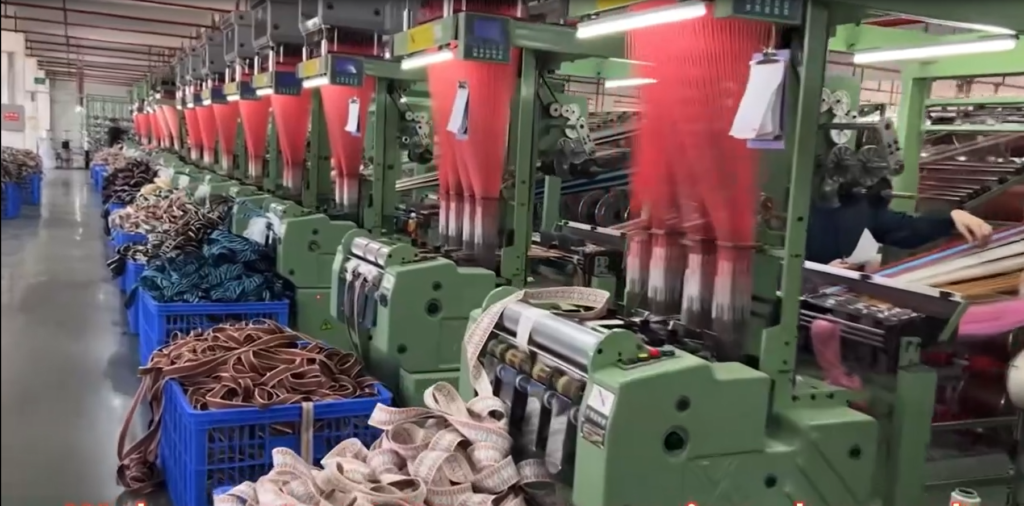
Custom lanyards are versatile accessories for personal expression, branding, or practical use (e.g., holding IDs, keys, phones). Whether you prefer crafting one yourself at home or ordering professional custom pieces, this guide covers all essential steps, materials, and techniques.
Part 1: DIY Custom Lanyards (For Personal Use)
DIY lanyards allow full creative control and are ideal for personalization, small batches, or budget-friendly projects. Below are three popular methods with step-by-step instructions.
Method 1: Basic Fabric Lanyard (Soft & Stylish)
Materials & Tools
- Fabric strip (1 inch wide, 36 inches long; cotton, linen, or polyester work well)
- Key ring, swivel hook, or lobster clasp
- Sewing machine (or needle and thread)
- Scissors, iron, and ironing board
- Pins or fabric clips (to secure layers)
- Optional: Fray check (to seal raw edges) or embellishments like patches, embroidery floss
Step-by-Step Instructions
- Prepare the fabric: Cut the fabric strip to size. Fold it in half lengthwise and iron to create a center crease. Open the fabric, fold each long edge toward the crease, then fold in half again—this hides raw edges and creates a ¼-inch-wide strip. Secure with pins or clips.
- Sew the strip: Stitch along both edges of the folded strip with a sewing machine (or hand-sew with a straight stitch) to reinforce it and prevent fraying. Trim loose threads and apply fray check to the ends if needed.
- Attach hardware: Fold the lanyard in half, slide the key ring or clasp onto the looped end, then sew the two raw ends together tightly (reinforce with multiple stitches for durability). Iron the seam flat for a neat finish.
- Personalize: Add embroidery, iron-on patches, or heat-transfer vinyl (HTV) designs. For HTV, mirror your design before cutting, position it on the lanyard, and press with an iron or hair straightener for 10-15 seconds .
Method 2: Beaded Lanyard (Decorative & Lightweight)
Materials & Tools
- Nylon cord, waxed cotton cord, or jewelry wire (24-30 inches long)
- Beads (wooden, ceramic, glass, or acrylic; choose sizes that fit the cord)
- Crimp beads, lobster clasp, key ring, and 6-8mm jump rings
- Chain-nose or round-nose pliers
- Scissors and a lighter (to seal synthetic cord ends)
Step-by-Step Instructions
- Cut the cord: Measure and cut the cord to your desired length (add 3-4 inches for securing hardware). For crossbody wear, aim for 30 inches; for wrist lanyards, 15-18 inches.
- String the beads: Arrange beads in your preferred pattern, leaving 3 inches of cord unstrung at each end. Mix colors, shapes, or personalized charms (e.g., initials) for uniqueness.
- Secure the hardware: Slide a crimp bead onto one end of the cord, loop the cord through a jump ring (attached to the lobster clasp), and thread it back through the crimp bead. Use pliers to squeeze the crimp bead tightly. Repeat on the other end with the key ring.
- Finish the ends: For synthetic cords, lightly heat the cut ends with a lighter to seal them (avoid burning). For cotton cord, tie a small knot and apply a dab of glue to secure.
Method 3: Paracord Lanyard (Durable & Heavy-Duty)
Perfect for outdoor use, keychains, or rugged daily wear, paracord lanyards are strong and customizable with woven patterns.
Materials & Tools
- 5-6 feet of paracord (nylon or polyester blend)
- Key ring or carabiner clip
- Scissors and a lighter
- Optional: Beads or charms to integrate into the weave
Step-by-Step Instructions
- Attach the paracord to hardware: Fold the paracord in half, slide the key ring onto the loop, and tie a larkshead knot to secure it (pull tightly to ensure stability).
- Weave the pattern: Use basic knots like the cobra stitch, box stitch, or spiral stitch to create texture . For a cobra stitch, separate the two paracord strands, take one strand over the center cords, then under and through the loop—repeat with the other strand alternately until you reach the desired length.
- Finish the ends: Tie a tight knot at the end of the weave, trim excess paracord, and seal the cut ends with a lighter to prevent fraying.
Part 2: Professional Custom Lanyards (For Branding/Events)
For businesses, schools, conferences, or large batches, professional customization ensures consistency, quality, and advanced printing options. Follow these steps to order custom lanyards.
Step 1: Define the Purpose & Requirements
Clarify your goals to choose the right specifications :
- – Branding/events: Prioritize logo visibility, color matching, and comfort.
- – ID/security: Opt for breakaway clips (safety feature) and durable materials.
- – Outdoor use: Select water-resistant or UV-resistant fabrics like nylon.
- – Eco-friendly needs: Choose recycled polyester, cotton, or biodegradable materials (e.g., corn fiber) .
Step 2: Choose Materials & Dimensions
Materials
- Polyester: Lightweight, fade-resistant, and cost-effective (best for screen printing or dye sublimation) .
- Nylon: Shiny finish, water/UV-resistant, ideal for outdoor or high-wear use .
- Cotton: Soft, eco-friendly, but prone to wrinkling (only compatible with screen printing) .
- Woven/satin: Premium, professional look for VIP events or corporate branding .
- Silicone: Flexible, safety-focused, and great for colorful, non-toxic designs
Dimensions
- Width: ½ inch (subtle, minimalist) or 1 inch (bold for branding) . Custom widths (e.g., ¾ inch) are available.
- Length: Standard is 36 inches (everyday wear); adjust for crossbody (40-45 inches) or wrist lanyards (12-18 inches) .
Step 3: Select Printing/Imprint Techniques
Choose a method based on your design complexity, color needs, and budget :
- – Screen Printing: Most affordable, ideal for single-color, simple logos/text. Ink sits on top of the fabric (slightly textured to the touch). Not suitable for multi-color or intricate designs.
- – Dye Sublimation: Full-color, edge-to-edge printing for complex patterns, gradients, or photos. Ink bonds with synthetic fabrics (polyester/nylon) for a durable, no-peel finish.
- – Embroidery: Classic, woven look for text or simple logos. Adds a premium feel but is limited to two colors (lanyard + embroidery) and may have a unfinished backside.
- – Foil Stamping: Metallic (gold/silver) finishes for premium corporate branding or special events.
- – Jacquard Weaving: Designs woven into the fabric for upscale, long-lasting lanyards .
Step 4: Customize Design & Hardware
Design Tips: Use high-contrast colors (e.g., white text on dark fabric) for readability. Keep logos/text bold—avoid clutter . Provide design files in AI, PNG, PDF, or SVG format (high resolution) for best results.
– Hardware: Select attachments based on use:
- – Lobster claspsmagnetic snaps: Secure for IDs, keys, or phone cases .
- – Breakaway clips: Safety feature for schools, offices, or crowded events.
- – Retractable reels: Convenient for ID badges that need frequent access.
- – Badge holders: Pair with lanyards for conferences or staff IDs .
Step 5: Finalize Order & Delivery
Most manufacturers require a minimum order quantity (MOQ)—typically 50-100 lanyards for small batches, up to 10,000+ for large events . Confirm details like:
- – Proof approval (request a digital or physical sample to check design/color).
- – Delivery timeline: Standard shipping takes 7-14 days; express options (3-6 days) are available for rush orders .
- – Budget: Inquire about deposits (e.g., 50% upfront) and bulk discounts .
Pro Tips for Custom Lanyards
- For DIY projects, repurpose fabric scraps, old jewelry, or vintage trinkets to add meaning and reduce waste .
- Test HTV or dye sublimation on a scrap of fabric before applying to the lanyard to avoid mistakes .
- For professional orders, ask about eco-friendly options (recycled materials, water-based inks) to align with sustainable values .
- Personalize individual lanyards with names (via embroidery or HTV) for teams, families, or reunions .